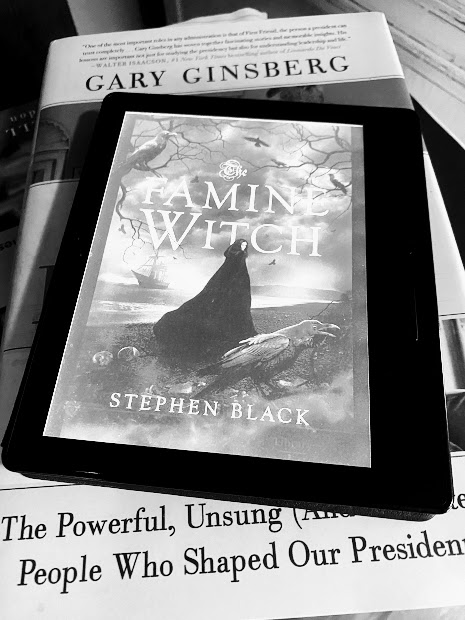
In the bleak setting of Belfast during the harrowing Great Hunger of 1847, Stephen Black weaves a mesmerizing tale in “The Famine Witch,” blending historical fiction with dark fantasy and a dash of horror. As Belfast teeters on the edge of despair, plagued by famine, a gruesome serial killer known as Bloody Hands, and an ancient malevolent force called The Black Lady, the novel paints a vivid portrait of survival, courage, and the indomitable human spirit. Maggie Malone and her younger brother, Jinks, become unwitting pawns in a supernatural feud that spans centuries, and Maggie’s discovery of hidden powers adds a captivating layer of fantasy to this historical backdrop.
The narrative unravels the superstitions and fear of the era, where blame is often laid at the feet of the supernatural, deflecting from the harsh realities of life. Witch hunts and the dread of witches contribute a chilling element to the story as Maggie and Jinks navigate a world filled with both human and supernatural terrors. The rivalry between Bloody Hands and The Black Lady builds to a crescendo, and Maggie’s unexpected transformation from victim to potential savior injects a glimmer of hope into a tale of chaos and violence. With its rich Irish cultural context, “The Famine Witch” immerses readers in the history and atmosphere of Belfast, leaving them pondering the outcome of the ultimate showdown between these formidable adversaries. In a world shrouded in darkness and desperation, the novel offers a compelling exploration of vengeance, superstition, and the enduring strength of familial bonds. It’s a hauntingly beautiful narrative that seamlessly merges history, fantasy, and horror, making it essential reading for enthusiasts of dark historical fiction with a supernatural twist. Stephen Black delivers an evocative and thought-provoking story that will linger in your thoughts long after the final page is turned.
 Kat between the lines...